
The GameStop short squeeze of January 2021, explained
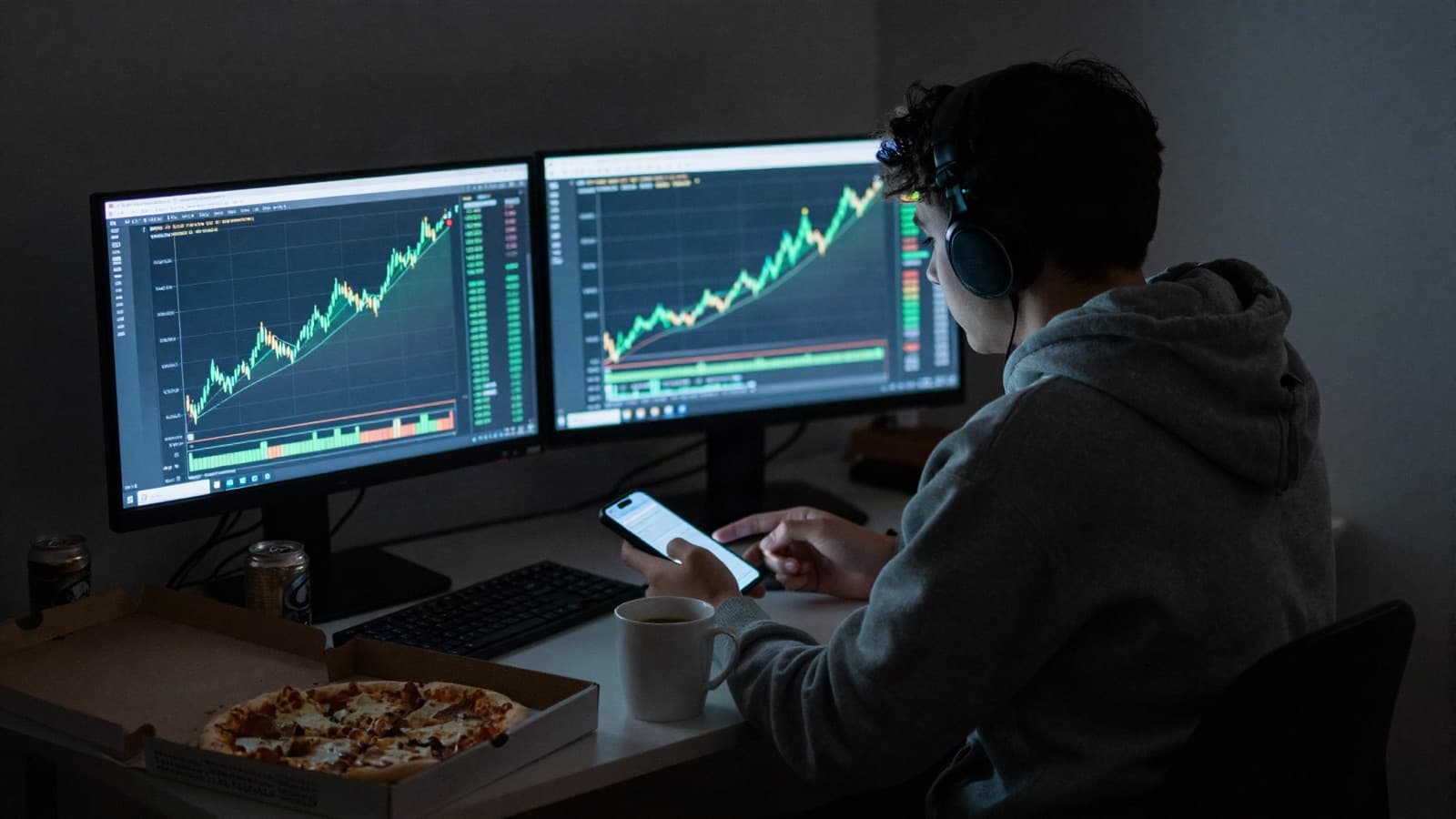
On January 12, 2021, GameStop closed at $19.95. Fifteen days later it closed at $347.51, and the next morning it touched $483. A mall chain selling video game discs, which most of Wall Street expected to shrink for years, was briefly worth more than $24 billion.
It was the most famous short squeeze in market history. Here is what happened, day by day, and what any trader can take from it.
What a short squeeze is
A short seller borrows shares, sells them, and hopes to buy them back later for less. If the price falls, they keep the difference. If it rises, they lose, and there is no limit to how much: a stock can only fall to zero, but it can rise forever.
A squeeze starts when the price rises and short sellers rush to buy shares back to stop their losses. Their buying pushes the price higher, which forces more of them to buy, which pushes it higher again. The more shares that are sold short, the more violent it can get.
Why GameStop
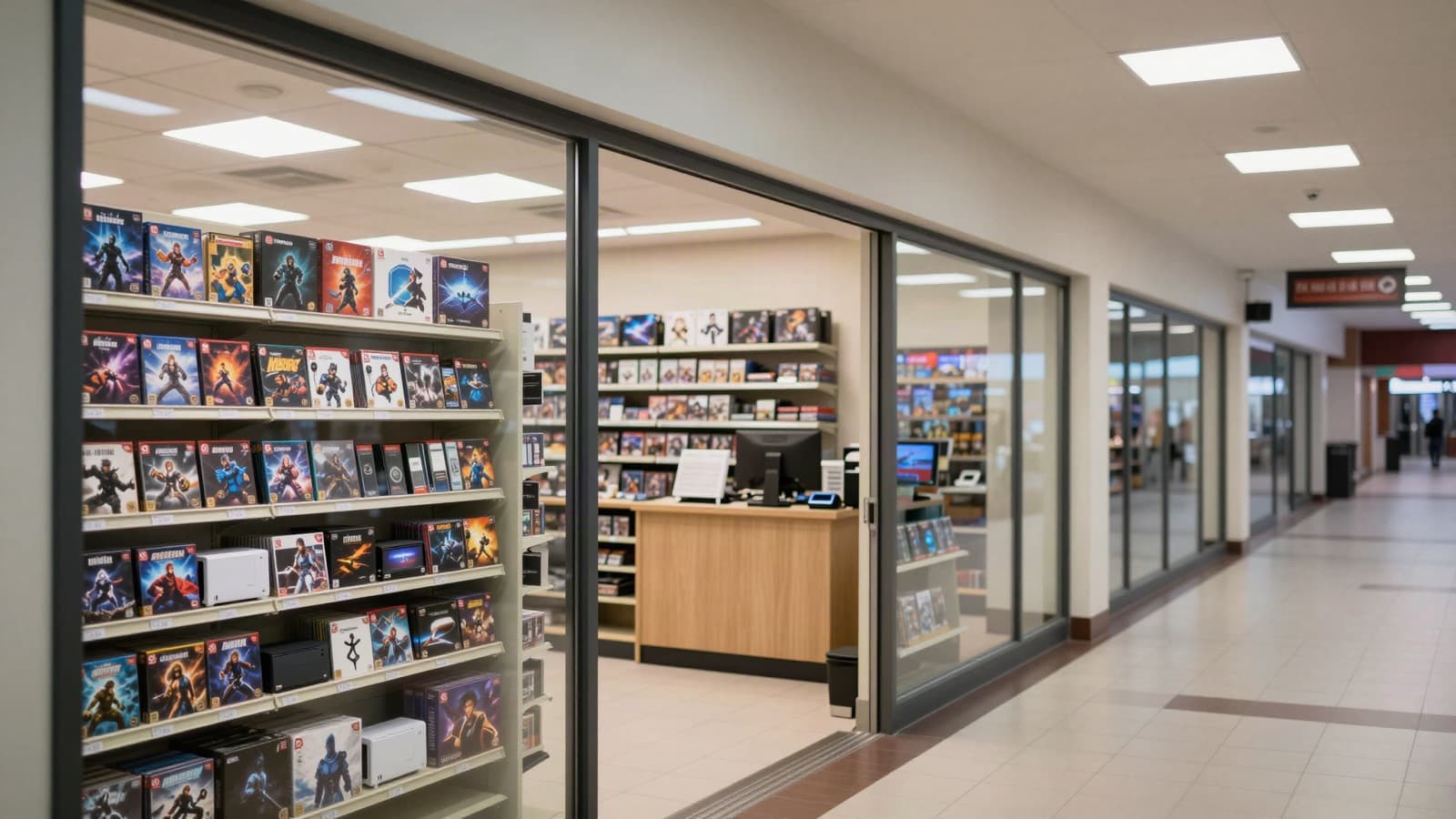
By 2020 GameStop looked like an easy short. Games were moving to downloads, malls were empty in the pandemic, and the company was losing money. The shares traded under $5 that summer. Hedge funds had bet against it so heavily that reported short interest was above 100% of the shares available to trade: some shares had been borrowed and sold short more than once.
A few investors saw it differently. Keith Gill, who posted on Reddit’s r/wallstreetbets and on YouTube as Roaring Kitty, had been buying since 2019 and sharing screenshots of his position. In late 2020, Ryan Cohen, a co-founder of the online pet store Chewy, built a large stake. On January 11, 2021, GameStop agreed to put him and two allies on its board.
Two weeks in January
| Day | Close | Change | What happened |
|---|---|---|---|
| Tue, Jan 12 | $19.95 | The day before it started | |
| Wed, Jan 13 | $31.40 | +57% | New board members announced two days earlier |
| Fri, Jan 22 | $65.01 | +51% | Trading halted several times for volatility |
| Tue, Jan 26 | $147.98 | +93% | “Gamestonk!!” |
| Wed, Jan 27 | $347.51 | +135% | Highest close, about $24 billion company value |
| Thu, Jan 28 | $193.60 | −44% | Hit $483, then brokers blocked buying |
| Fri, Jan 29 | $325.00 | +68% | Some buying allowed again |
| Tue, Feb 2 | $90.00 | −60% | The collapse |
| Fri, Feb 19 | $40.59 | Down 88% from the peak close |
Closing prices from Yahoo Finance, multiplied by four to undo the 2022 4-for-1 split, so they match the prices quoted at the time.
The board news lit the fuse: the shares jumped 57% on January 13. Word spread on r/wallstreetbets, which grew from under 2 million members to more than 8 million within weeks. People bought shares and, even more powerfully, short-dated call options, which forced the banks that sold those options to buy shares too.
On January 25 the hedge fund Melvin Capital, one of the best-known GameStop shorts, took $2.75 billion in emergency money from Citadel and Point72. On January 26 Elon Musk posted a single word, “Gamestonk!!”, and the next day the shares more than doubled again. Melvin ended January down 53%.
The day the buy button disappeared
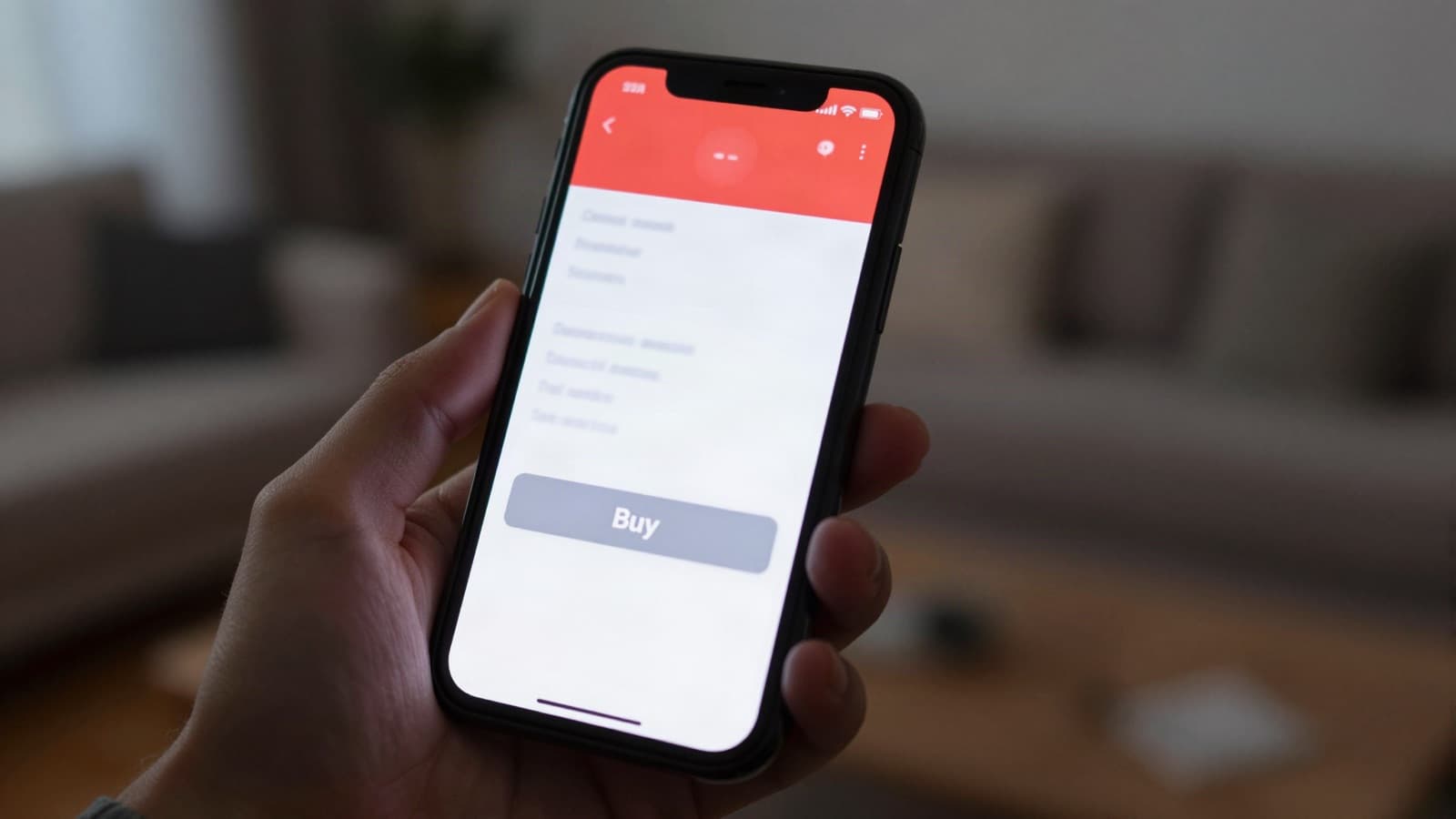
On the morning of January 28 the shares hit $483. Then Robinhood, the app many of the new traders used, and several other brokers stopped customers from buying GameStop. You could sell, but not buy. The price fell to $112.25 within hours and closed down 44%.
The reason was plumbing, not a conspiracy, though it felt like one. Trades take two days to settle, and the clearinghouse that guarantees them asks brokers for a deposit against what could go wrong in between. With prices this wild, it asked Robinhood for about $3 billion overnight. Robinhood raised $3.4 billion over the following days. Congress held a hearing on February 18, with Keith Gill, Robinhood’s chief executive and the heads of Citadel and Melvin all testifying.
Who won and who lost
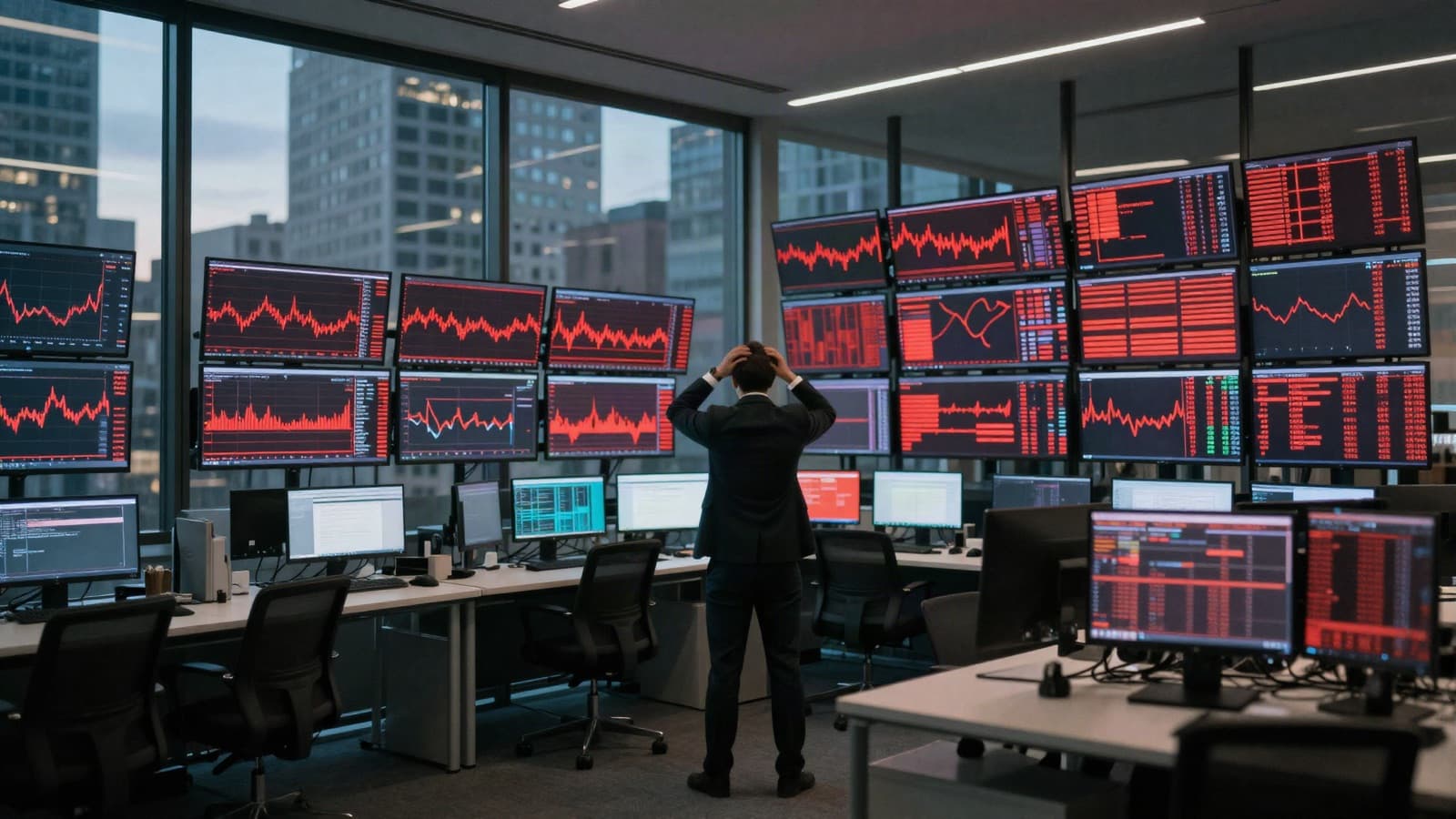
Short sellers lost billions, and Melvin Capital closed in 2022. Early buyers who sold into the spike made life-changing money; Keith Gill’s position was worth tens of millions of dollars at the peak. GameStop itself used the moment to sell new shares, raised more than $1.6 billion in 2021 and paid off its debt.
Many people who bought late lost badly. By February 19 the shares closed at $40.59, 88% below the January 27 close. $1,000 put in on November 2, 2020 at $10.75 was worth about $32,300 at the peak close. Held all the way through, it was worth about $3,800 three weeks later: still a gain, but most of it gone. There was even a second spike, to $348.50 on March 10, which caught out anyone who had assumed it was over.
In October 2021 the SEC published a staff report on the episode. It found that short sellers buying back their shares made up only a small part of the buying. The rise was driven mostly by ordinary buyers who wanted in, not by shorts being forced out.
What traders can take from it
- Crowded trades can turn fast. Being right about a weak company is not enough when half the market is on the same side of the bet.
- Sizing matters more than conviction. A short with unlimited downside, or a position too big to hold through a 60% day, can be wiped out before the thesis has time to play out.
- Know your broker’s limits. Brokers can restrict trading, raise margin requirements or close positions in a crisis. Read the terms before you need them.
- A spike is not a plan. Most of the gains were made by people who had a reason to own the shares before the crowd arrived, and a price at which to sell.
Screenshots were the currency
January 2021 ran on screenshots. Gain posts and loss posts flooded Reddit and X, and people made decisions based on them. Keith Gill’s were real, which is part of why people trusted him. Plenty of others were not, and from a picture there is no way to tell which is which.
On Stock Locker, traders’ positions are read straight from their brokers, exchanges and wallets, so their trades and returns are on the record, not in a picture. Calls are sealed with a timestamp before the move, so nobody can claim it afterwards. See the leaderboard.
This article is for education only and is not investment advice. Past performance does not predict future returns, and any investment can lose value. Figures are based on closing prices unless stated and ignore taxes, fees and trading costs. Photos are illustrative and were generated with AI; the chart is drawn from real prices. See our disclosures.